Inside the Playbook: How Seasoned Auction Investors Spot Undervalued Homes Before Anyone Else Bids
There is a particular kind of confidence that experienced real estate auction investors carry into a bidding room. It is not arrogance—it is preparation. While many casual buyers are still scrolling through listing photos the morning of an auction, professional flippers have already spent days, sometimes weeks, building a detailed picture of a property's true value, its hidden costs, and its profit ceiling. Their edge is not luck. It is method.
At HomesBidding, we believe that competitive buyers deserve access to the same strategic frameworks that seasoned investors use. What follows is an in-depth look at the techniques professionals employ long before the gavel falls—and how you can begin applying them to your own auction strategy.
Start With the Numbers: Rapid Comparable Market Analysis
The foundation of any serious pre-auction evaluation is a comparable market analysis, or CMA. However, professional investors approach this task differently than a traditional homebuyer might. Rather than relying solely on a real estate agent's prepared report, experienced flippers pull their own data directly from county assessor records, MLS archives, and public sale databases.
The goal is to establish what the property would realistically sell for after improvements—commonly referred to in investment circles as the After Repair Value, or ARV. Professionals typically focus on sales within a half-mile radius, completed within the past 90 days, and involving homes with similar square footage, bedroom count, and lot size. They are not looking for the highest sale price in the area; they are looking for the median achievable price for a renovated property in that specific micro-market.
A critical shortcut many experienced investors use is the 70 Percent Rule: they will not pay more than 70 percent of the ARV, minus estimated repair costs. This single formula prevents overbidding and creates a built-in profit margin before a single nail is driven.
Reading the Property Like a Contractor
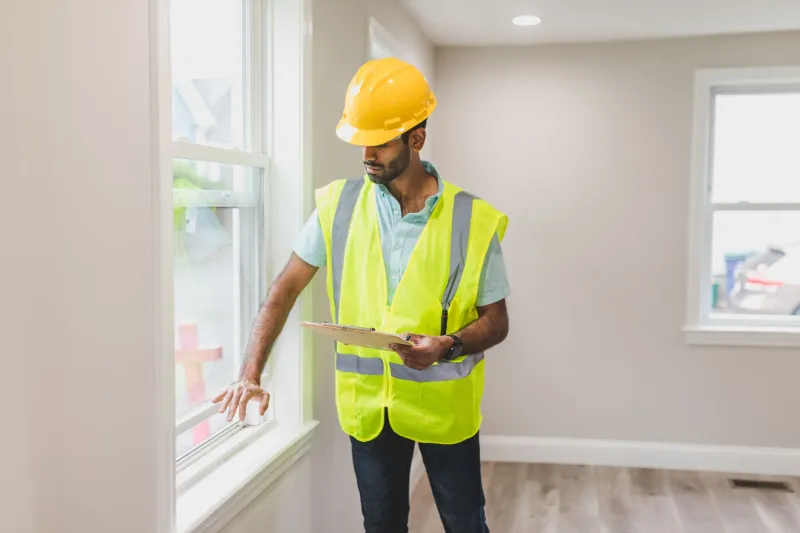
Once a target property is identified, professional flippers conduct what amounts to a rapid-fire cost estimation walkthrough. Even when formal interior access is limited—as is common with foreclosure auctions—they develop a systematic approach to assessing visible condition.
Exterior observation alone can reveal significant cost signals. Roof age and condition, foundation line irregularities, evidence of water intrusion around window frames, peeling paint on fascia boards, and the state of the HVAC condenser unit are all indicators a trained eye can read from the street or a brief exterior tour. Professionals often bring a trusted contractor along for a second opinion, or they consult with one informally before the auction date.
For interior access periods—which some auction platforms do offer—experienced investors move quickly but purposefully. They are not admiring the kitchen finishes. They are checking for soft spots in flooring that suggest subfloor damage, water staining on ceilings that signals roof or plumbing issues, the age of the electrical panel, and the condition of the water heater. Each observation translates into a rough cost estimate that feeds directly into their maximum bid calculation.
Neighborhood Trend Intelligence
A property's value does not exist in isolation—it exists within a neighborhood trajectory. Professional auction investors spend considerable time understanding whether a given area is appreciating, stagnating, or declining, because this directly affects both the ARV and the eventual resale timeline.
Practical indicators they monitor include the pace of permit activity in the surrounding blocks (available through most municipal building departments), the ratio of owner-occupied to rental properties, proximity to new commercial development, and school district rating trends. In many U.S. markets, a neighborhood on the upswing can add meaningful percentage points to an ARV estimate that a static CMA might miss.
Social signals matter too. Investors frequently drive the neighborhood at different times of day, noting street maintenance quality, the condition of neighboring properties, and general activity levels. These qualitative observations, combined with quantitative data, produce a richer picture than numbers alone can provide.
Title and Lien Research: The Step Most Buyers Skip
One of the most decisive advantages professional flippers hold over casual bidders is their diligence in researching title history and outstanding encumbrances before auction day. Many auction properties—particularly those in foreclosure—carry complex title histories that can include unpaid property taxes, municipal code violation fines, HOA arrears, or secondary liens that survive the auction sale.
Professionals routinely order preliminary title reports or conduct their own searches through county recorder databases. Services that aggregate public record data can make this process faster, though experienced investors know that a thorough review still requires careful attention. Understanding exactly what obligations will transfer with the deed allows them to incorporate those costs into their bid ceiling—or to walk away from a property that carries title risk they are unwilling to absorb.
Building a Bidding Ceiling—and Holding It
Perhaps the most underappreciated element of the professional investor's pre-auction process is the deliberate establishment of a hard maximum bid. Every calculation—ARV, repair costs, carrying costs, closing costs, and desired profit margin—feeds into a single number that the investor commits to before entering the room.
This pre-commitment is not merely financial discipline; it is psychological armor. Auction environments are designed, intentionally or not, to generate competitive energy that can push buyers beyond rational limits. The professional who has done the work arrives with a number they trust and a willingness to let the property go if bidding exceeds it.
For buyers on HomesBidding, this principle translates directly: the research you complete before auction day is not just preparation—it is protection. The investors who consistently profit from auction purchases are not smarter than other buyers. They are simply more prepared. And preparation, unlike talent, is entirely within your control.
Putting the Framework Into Practice
Beginning to think like a professional auction investor does not require years of experience. It requires a repeatable process: establish your ARV through independent comparable analysis, estimate repair costs through systematic observation, evaluate neighborhood trajectory through both data and direct observation, research title and lien history proactively, and commit to a hard bid ceiling before you set foot in the auction room.
Each auction you approach with this framework is an opportunity to sharpen your analytical instincts. Over time, the process becomes faster, more intuitive, and more reliable. The gavel will always fall—the question is whether it falls in your favor because you earned it.